
DACT Lab
The SUMR DACT Lab connects Mount Allison University student researchers with the Digital Analysis of Chant Transmission (DACT) project, an international digital humanities initiative devoted to studying the creation, circulation, and transmission of plainchant (SSHRC PG, J. Bain, PI; Pearse, Co-Investigator). Central to this work is the Canadian Chant Database, an open-access online resource for plainchant research and discovery and linked with the Cantus Database. The Cantus Database contains curated, searchable inventories of manuscript fragments, complete manuscripts, and printed chant books dating from the ninth to the twentieth centuries.
As of February 2025, the Cantus Database contained approximately half a million individual chant records drawn from more than 500 indexed sources. These include antiphoners and breviaries containing music for the liturgical Offices, as well as graduals and other books associated with the Mass. The database continues to expand through the inclusion of processionals, pontificals, books containing sequences, manuscript fragments, and interoperable collections such as the Canadian Chant Database and Chinese Catholic Plainchant.
About the Lab
The SUMR Lab is currently working with open-access, printed books of chant in the public domain that set Kahnien’kéha (Mohawk) texts to liturgical chants, brought to Turtle Island by missionaries in the seventeenth through nineteenth centuries. Their work is informed through consultation with Kahnien’kéha language specialist, Kanáhstatsi Nancy Howard. Martha Culshaw, a PhD candidate at the University of Toronto, provides instruction in chant and manages the day-to-day tasks of the lab. Pearse, who has OCAP training, has fostered relationships with members of the Catholic Church in Kahnawà:ke, who have informed the protocols for describing the Kahnien’kéha materials within the CCD.
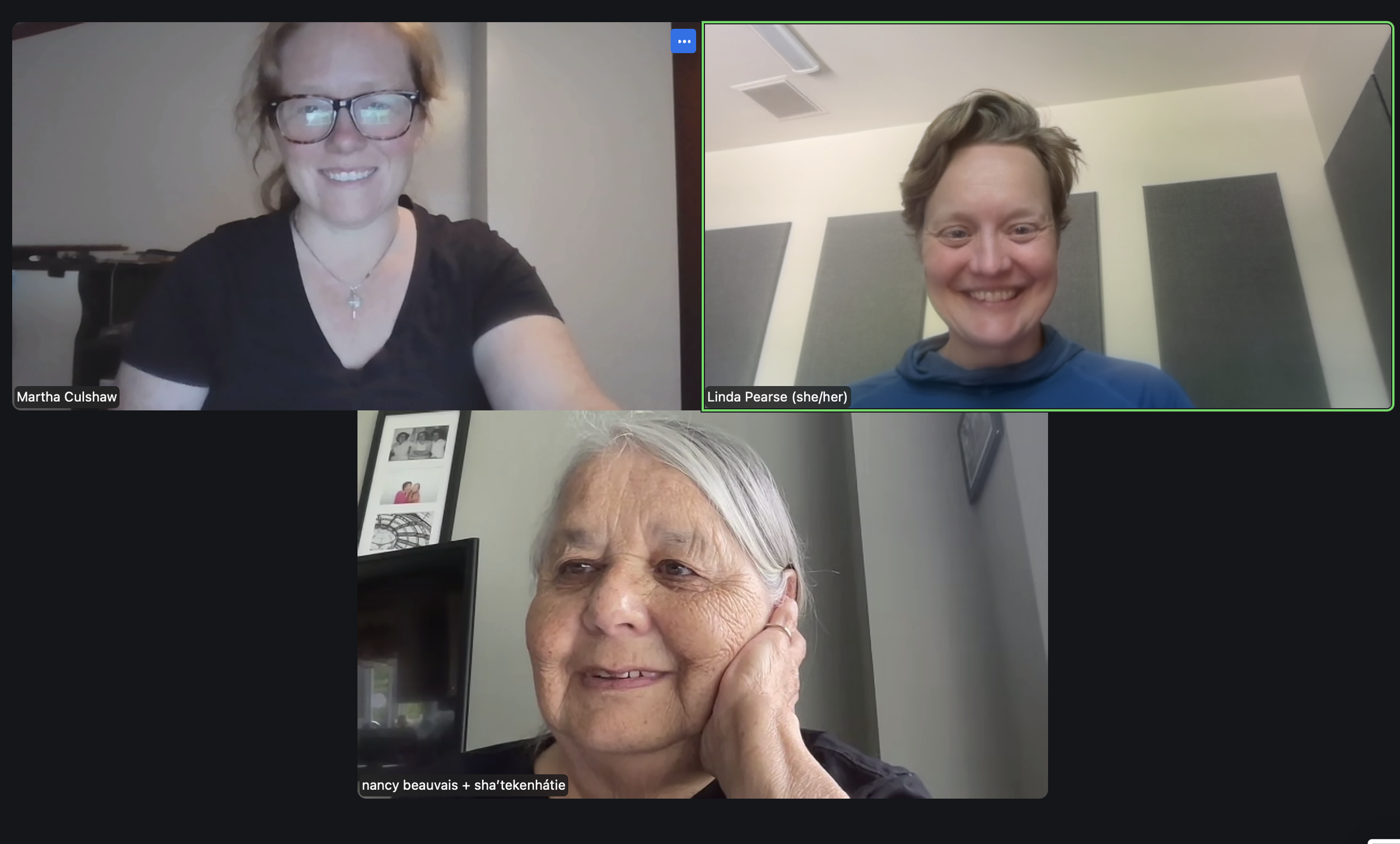
Kanáhstatsi Nancy Howard, Martha Culshaw (PhD candidate), and Linda Pearse (Mount Allison)
Student researchers in the DACT Lab contribute to this international resource by carefully entering and reviewing information from historical chant sources that circulated in Canada. This work may include documenting:
the text of each chant as it appears in the source
its folio or page number and position on the page
its place within the Mass or liturgical Offices
the feast, saint, or liturgical occasion with which it is associated
its medieval musical mode
information about the manuscript’s date, provenance, dimensions, physical features, and current location
melodic information or transcriptions when available.
This detailed cataloguing is important because even manuscripts belonging to the same type of liturgical book may differ considerably. Individual sources can contain different selections of chants, arrange them in different orders, or place them within different liturgical contexts.

Meet the Team
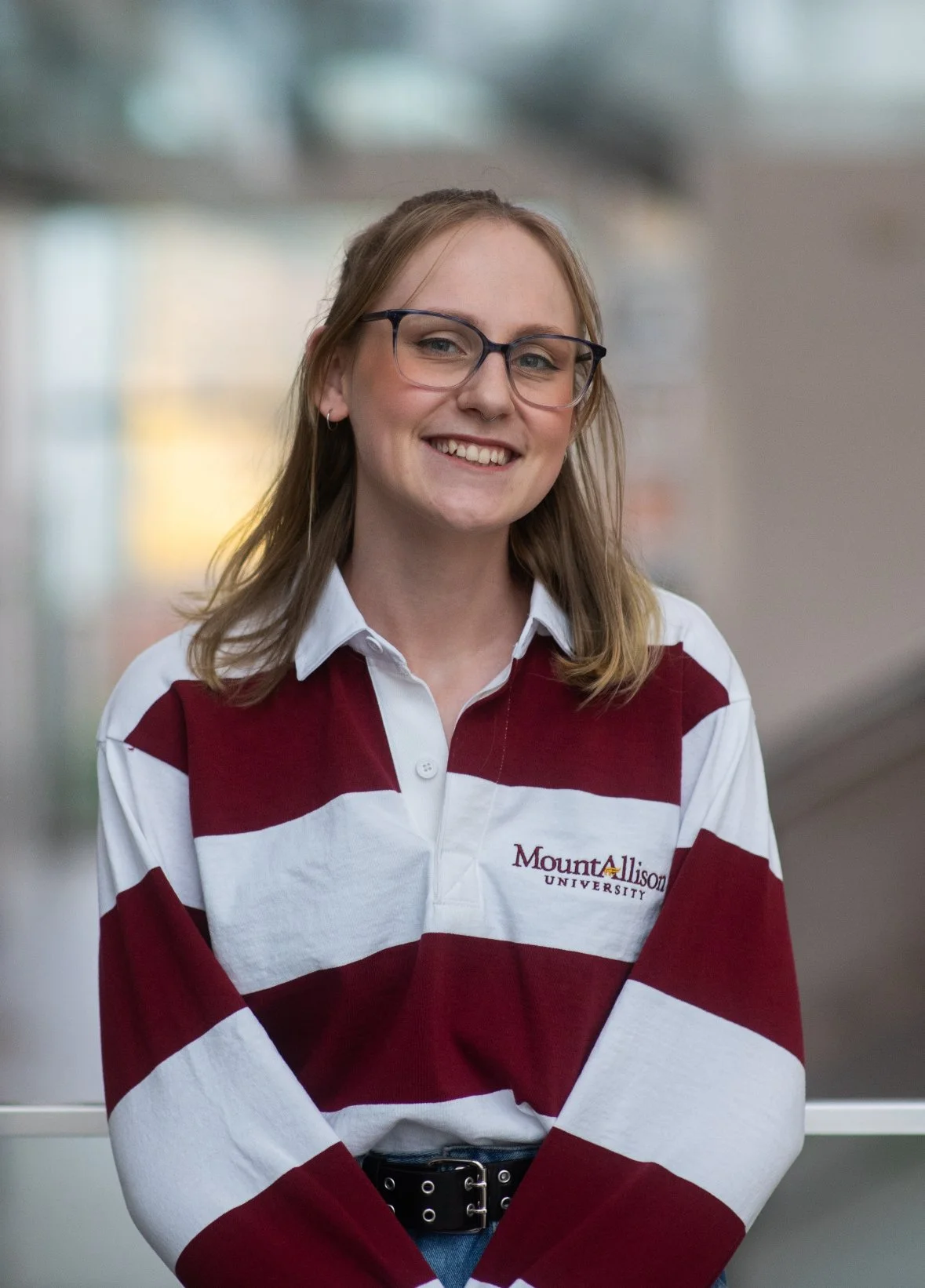
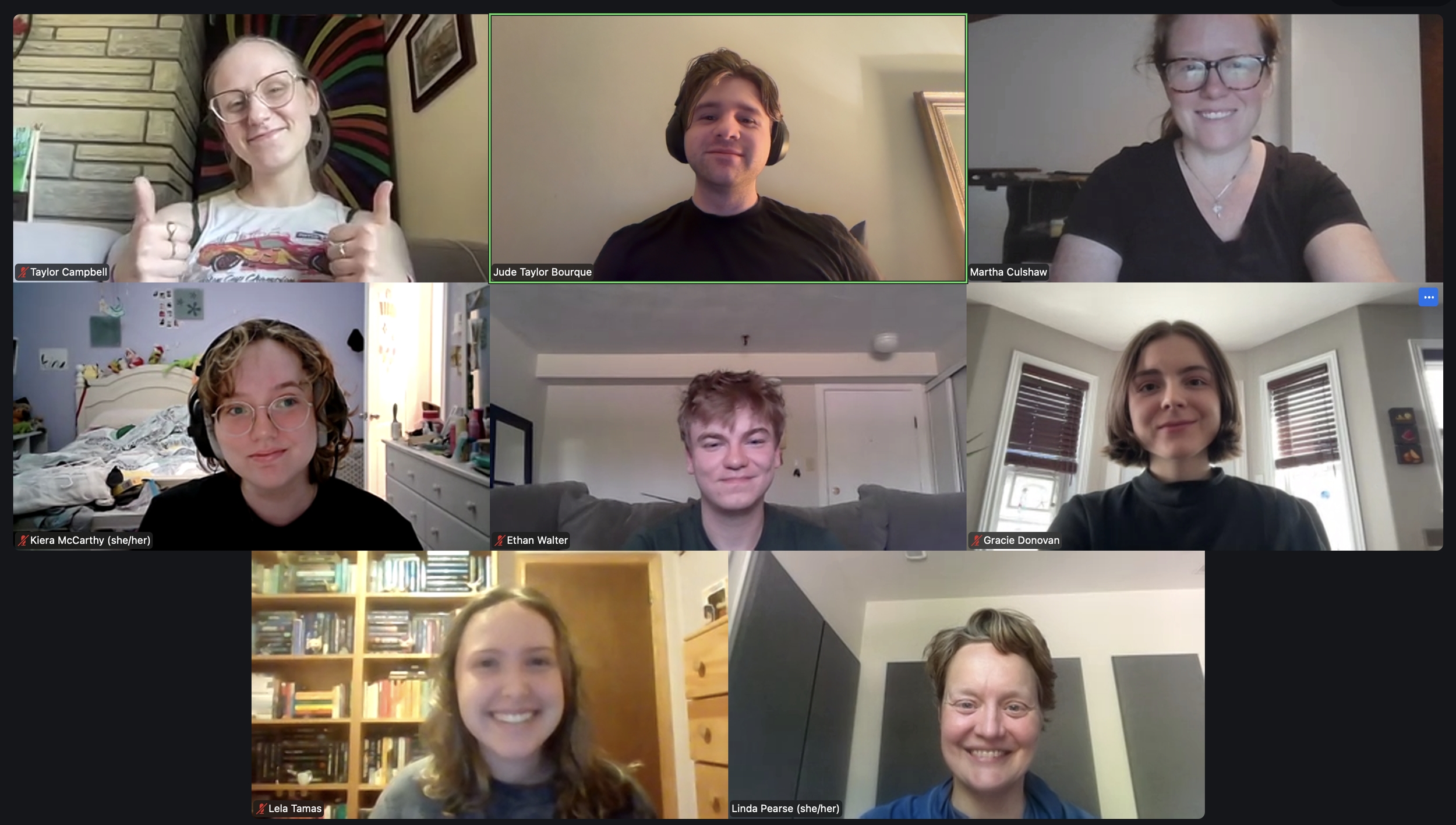
Taylor Campbell
Taylor Campbell is an incoming fourth-year Bachelor of Music student at Mount Allison University, studying Vocal Performance. With an interest in music education and musical theatre, she hopes to pursue private teaching and music direction of musicals after graduation. In her own performance, she enjoys Romantic and Impressionistic art song. In her time at Mount Allison, she has co-music directed three productions: Beauty and the Beast, Footloose (Garnet and Gold Musical Theatre Society), and A Very Carole Christmas Carol (Motyer-Fancy Theatre), as well as participated in NUOVA Vocal Arts 5-Week Musical Theatre Intensive. This summer, Taylor has found particular interest in researching the music of the enslaved people in the Caribbean islands during the sixteenth- and seventeenth-centuries and is grateful for the opportunity to explore this topic with the SUMR Lab.
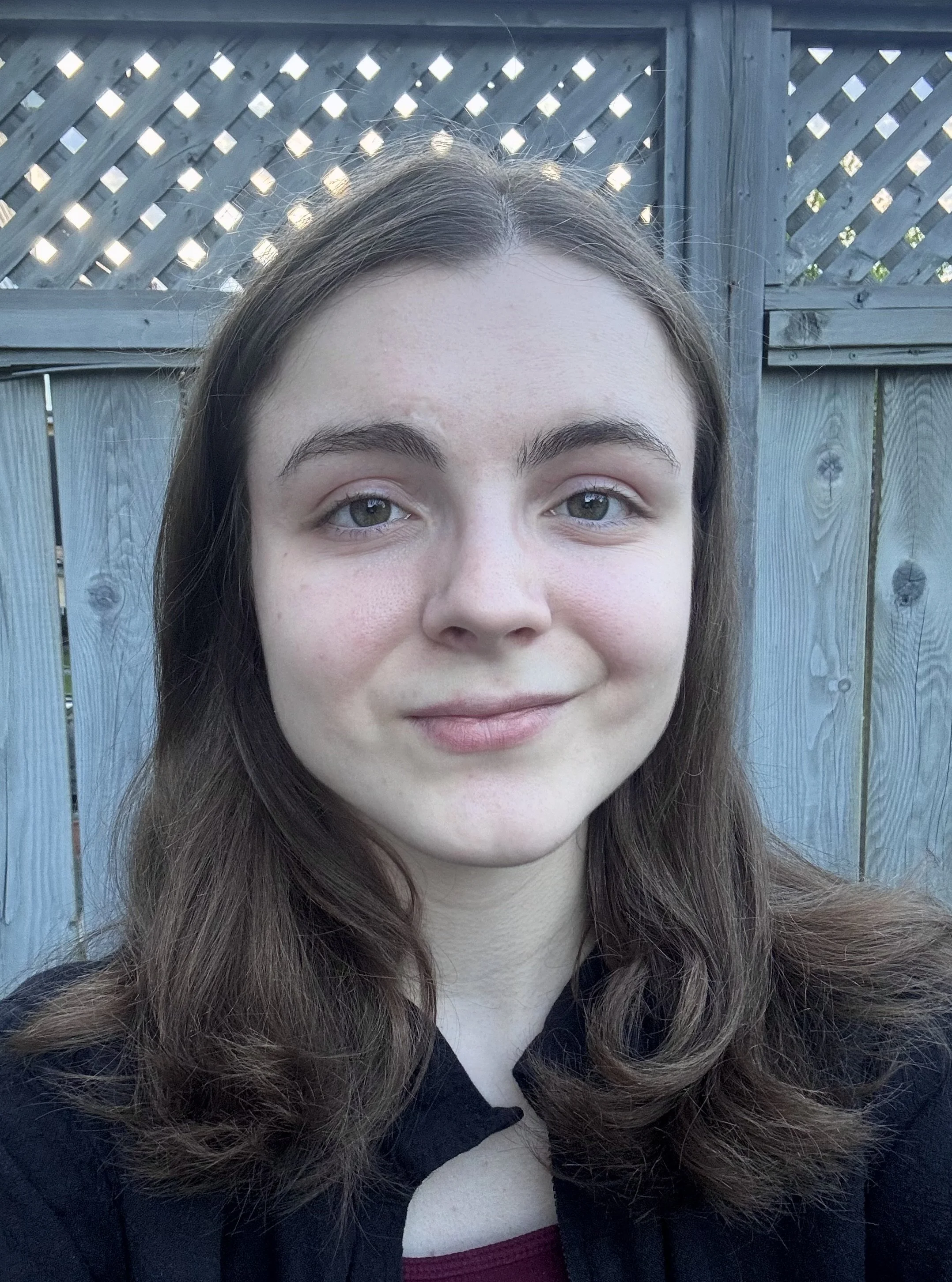
Gracie Donovan
Gracie Donovan (she/her) is a second year clarinet student in the Bachelor of Music program at Mount Allison University. From an early age, she has participated in music classes, recitals, and competitions around her local communities in Halifax, Nova Scotia. This is Gracie’s first year working in the SUMR Lab, and she is grateful for the opportunity to research and learn alongside her peers as well as grow her knowledge of chant. Having a love for music history, her interests of study include women in music and the instrumentation techniques used in opera. In the past, she has volunteered for multiple music events during the school year and has participated in several ensembles including symphonic, jazz, and the clarinet quartet. In the future, she aspires to continue her love of performing the clarinet and the study of music history.
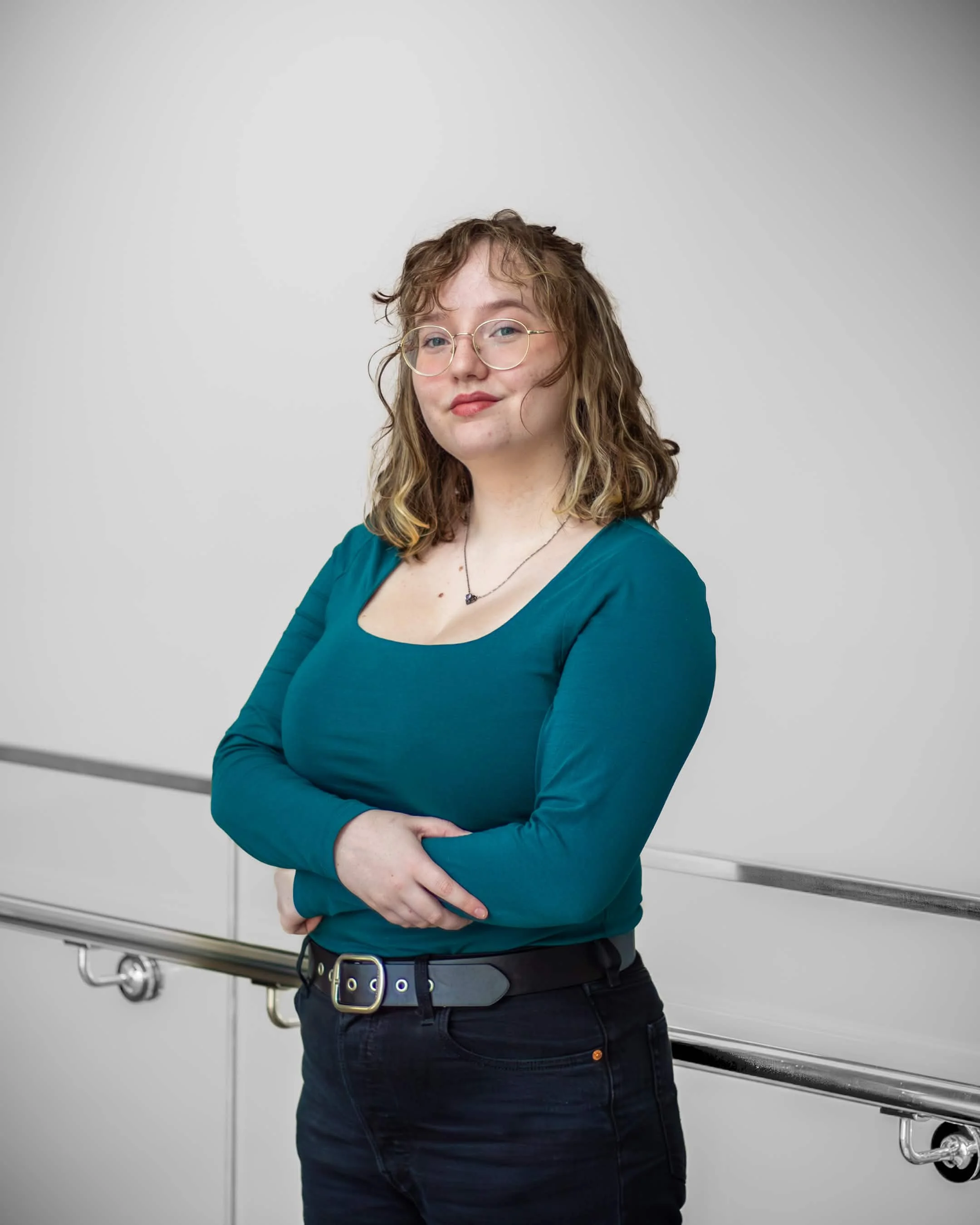
Kiera McCarthy
Kiera McCarthy (she/her) is a fourth year Bachelor of Arts student, studying music and English. Originally from Halifax, Nova Scotia, she is in her third year working with the SUMR Lab and her second year with the DACT Lab specifically. Through her work in the lab, Kiera has discovered and developed an interest in the documentation, organization, and analysis of cultural and historical materials. Previously, she assisted in the development of a high school curriculum centred on music and war, contributing to educational resources integrating musical study with historical and cultural contexts. Beyond Mount Allison, Kiera is also working with DACT to index folios from Otto Ege’s fifty portfolios of medieval manuscripts, supporting digital reconstruction of dispersed manuscript fragments. Following her undergraduate degree, Kiera intends to pursue a Master of Information with a focus on librarianship following graduation.
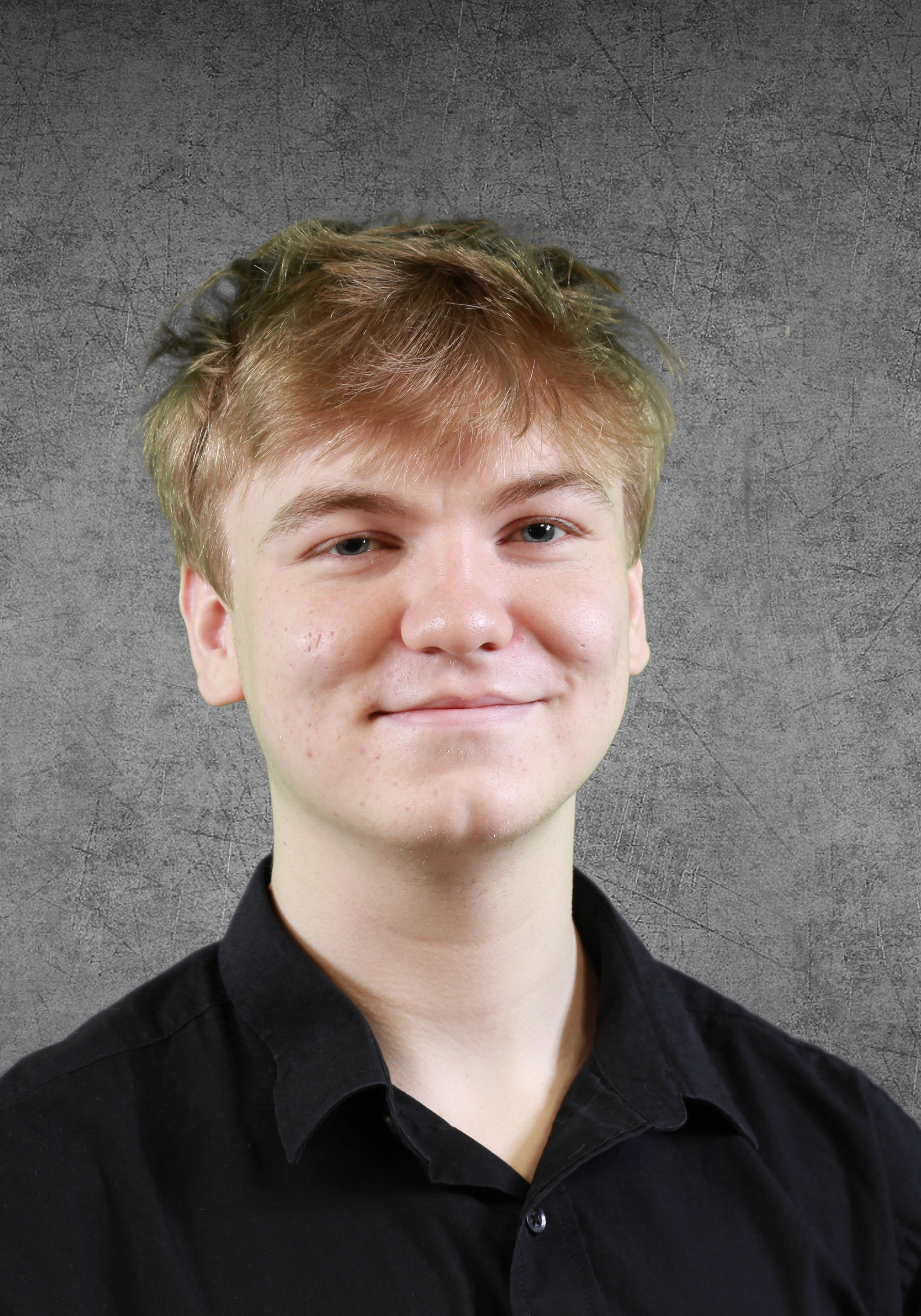
Ethan Walter
Ethan Walter (he/him) is a Nova Scotian clarinetist, educator, and researcher with a Bachelor of Music from Mount Allison University (‘26). As a pre-service educator, he has gained educational experience as a theory teaching assistant, private tutor, ensemble leader, and teaching artist intern with Sistema New Brunswick. Ethan also recently completed a research study, Conducting High School Wind Bands: Striking a Balance between Performance and Education, and plans to present this research at the 37th International Society for Music Education’s World Conference in Montréal, Québec, during July 2026. His research interests include intersections of instrumental music education, performance, and conducting. As a three-year SUMR lab member, Ethan values the opportunity to grow as a researcher and make meaningful connections between inclusive music history and teaching praxis.
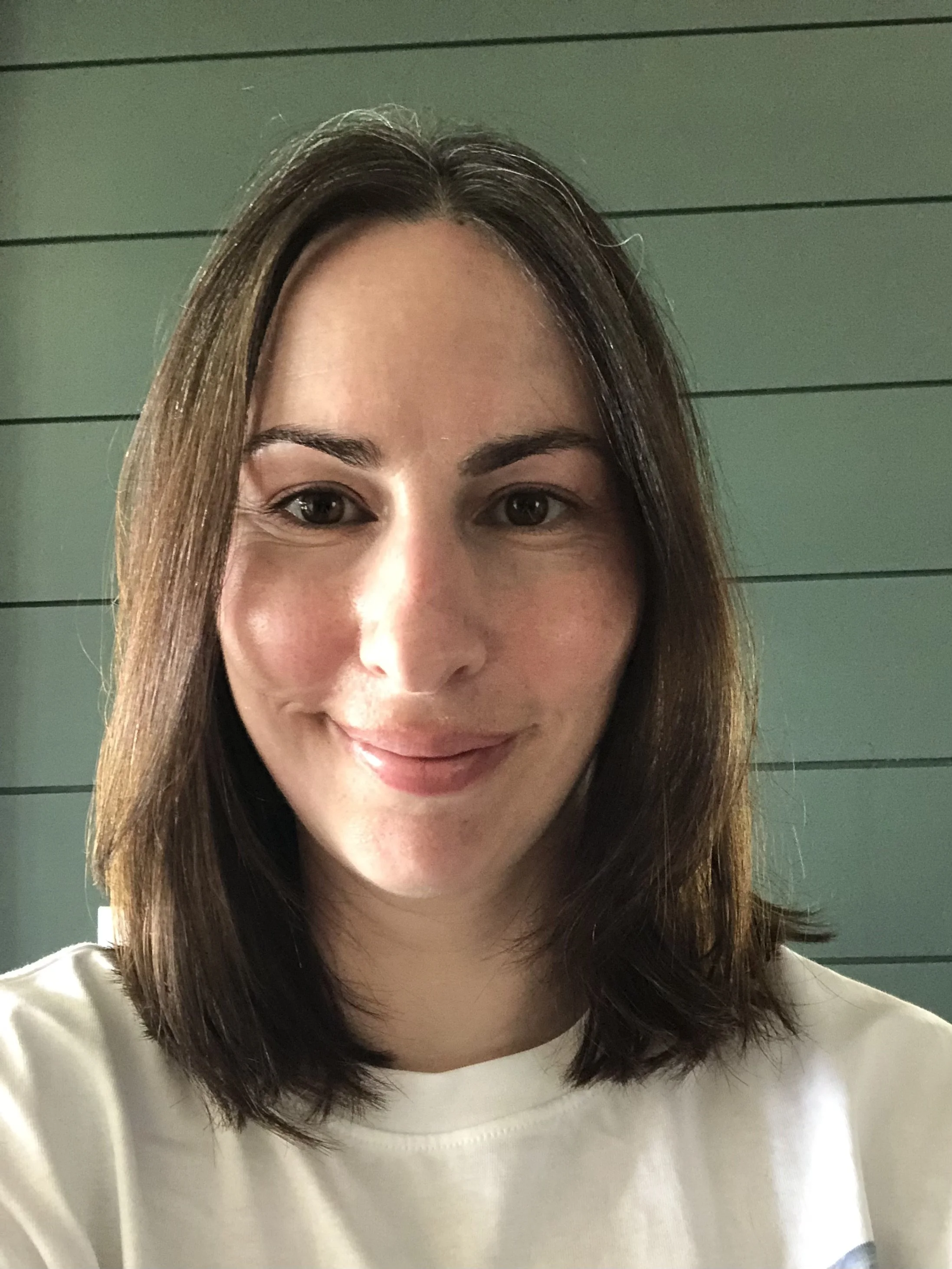
Isabelle Trottier
Isabelle is pursuing a bachelor’s degree in Musicology at Laval University. She serves as a research and teaching assistant at the Faculty of Music and is a student member of the Interdisciplinary Observatory for Music Research and Creation (OICRM–Laval). Since 2025, she has been involved in research projects related to Vie musicale au Québec (VMQ) and the Laboratoire d’archives vivantes et de recherche sur la vie musicale (LAVIMUS), working under the supervision of Sandria P. Bouliane.
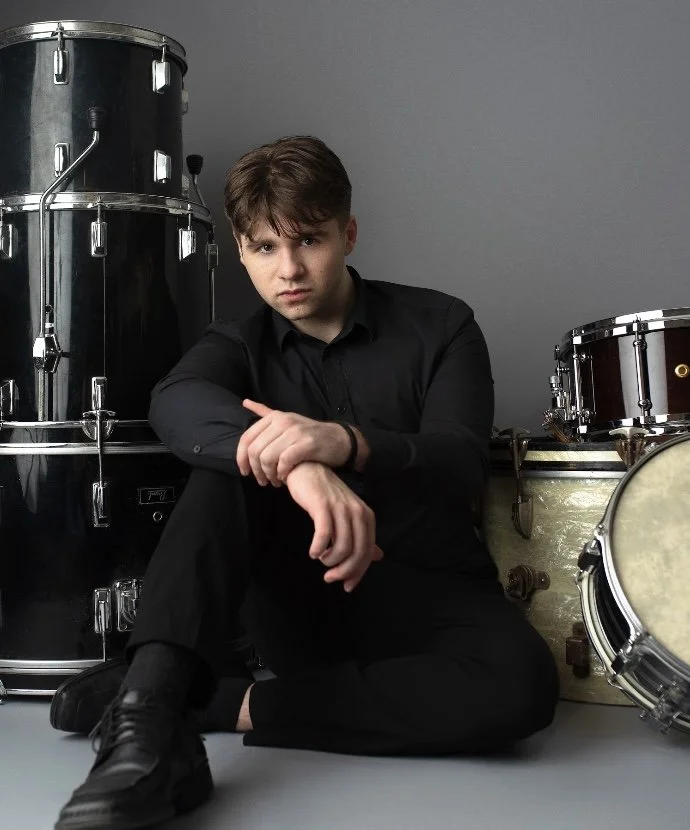
Jude Taylor Bourque
Jude Taylor Bourque (he/him) is an aspiring music academic, composer, and performer. As a recent graduate of Mount Allison’s Bachelor of Music program (‘26), Jude has participated significantly in New Brunswick’s musical community. He has collaborated with Mount Allison faculty, ensembles Ventus Machina, and Pixel.Wav as a drummer and composer. During his time at Mount Allison, Jude performed two recitals featuring contemporary works by Casey Cangelosi, Pascal Le Boeuf, and others. As a composer, Jude is inspired by the fusion of jazz and classical chamber styles and is influenced by the work of Avishai Cohen, Jeremy Ledenbetter, and Pascal Le Boeuf. His research interests include music theory, music transcription, and notation systems. Jude is grateful to participate in the 2026 SUMR lab to continue to improve his research and writing skills. Jude will continue performance studies to a doctorate level and aspires to be part of a university body as a teacher and/or researcher.
Research and Public Impact
The searchable data created through this work allows users to locate chant texts and melodies rapidly, compare the contents of different sources, trace chants associated with particular saints or feasts, and study regional variations in liturgical practice. Researchers can also use the database to examine scripts, systems of musical notation, manuscript decoration, and the later use of chant melodies in Renaissance and other repertories.
Digital comparison can also help scholars identify fragments that have become separated from their original manuscript bindings. Similarities in chant contents, scribal characteristics, notation, and liturgical use may reveal relationships among fragments now dispersed across different libraries, private collections, or geographical regions.