
SUMR Diversity Lab
“The SUMR Diversity Lab was formed in 2021 based on my growing student-centered research program. It offers six weeks of employment annually (May–June; 15 to 25 hours per week) for up to 10 undergraduate students. As testament to the success of this model is the return of the same student research assistants (RAs) to my lab in leadership positions over multiple years.” - Dr. Linda Pearse
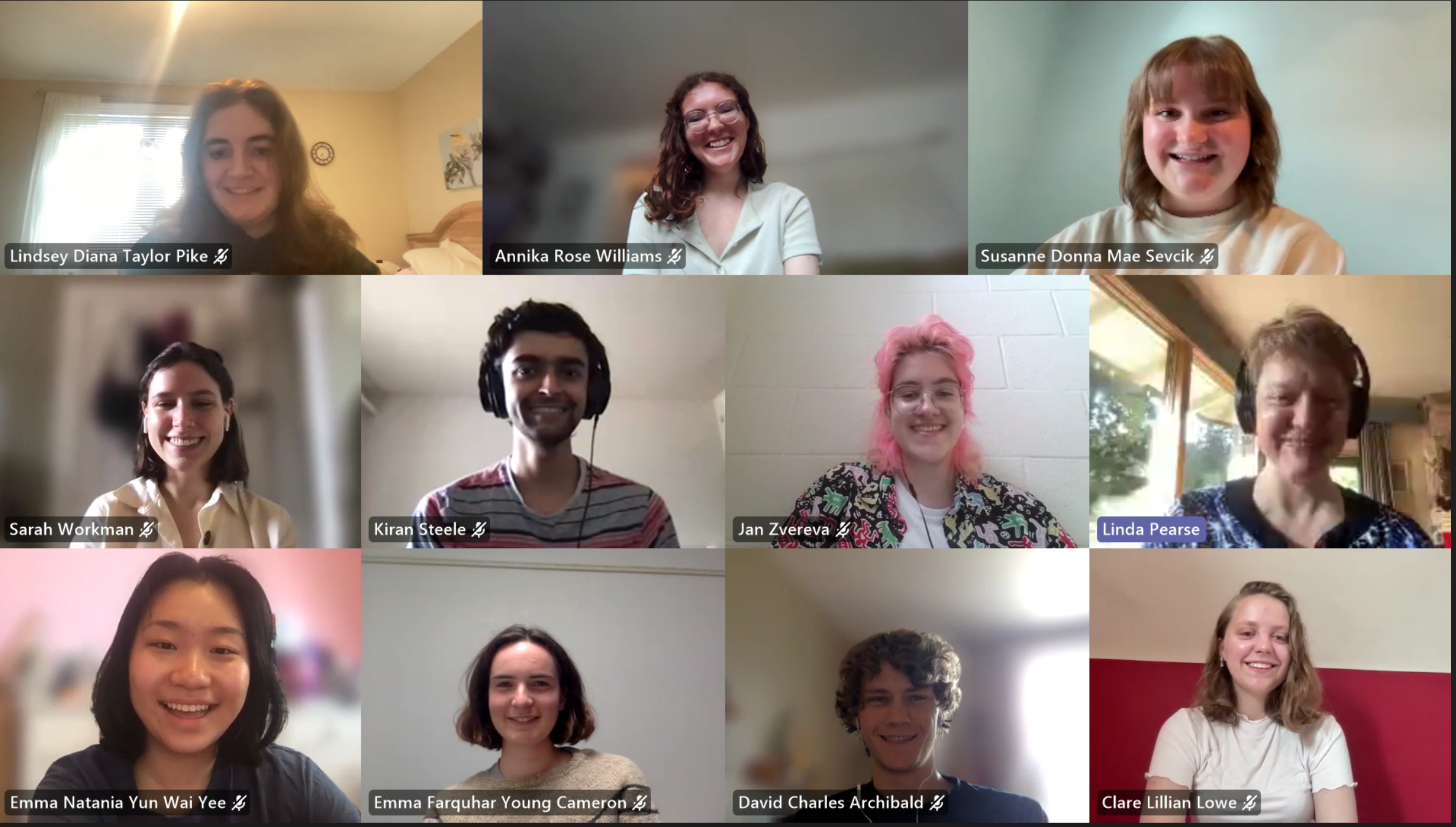
About the Lab
As part of the Changing Colonial Narratives in Eurocentric Music History (SSHRC IDG 2021–23), ten students joined our team of researchers and other students from Queen’s (Walker, PI) and Laval (P. Bouliane), locating and summarizing sources that will enable other researchers to develop narratives about European music history that account for its colonial and globalized contexts.
The students identify, catalogue, and summarize scholarly writings and multi-media materials that challenge embedded colonial historical narratives in music prior to 1750. The returning lab students create training modules to teach incoming lab members about digital humanities and best practices for bibliographic cataloguing, summarizing, and tagging. In addition to working on my research, each student crafts their own research project. They then create teaching materials that we embed into a first-year music core course. Using a co-creative model, we design course materials, assignments, and a class in which they teach their peers in the following year. Their research projects result in student publications, conference presentations, and workshops.
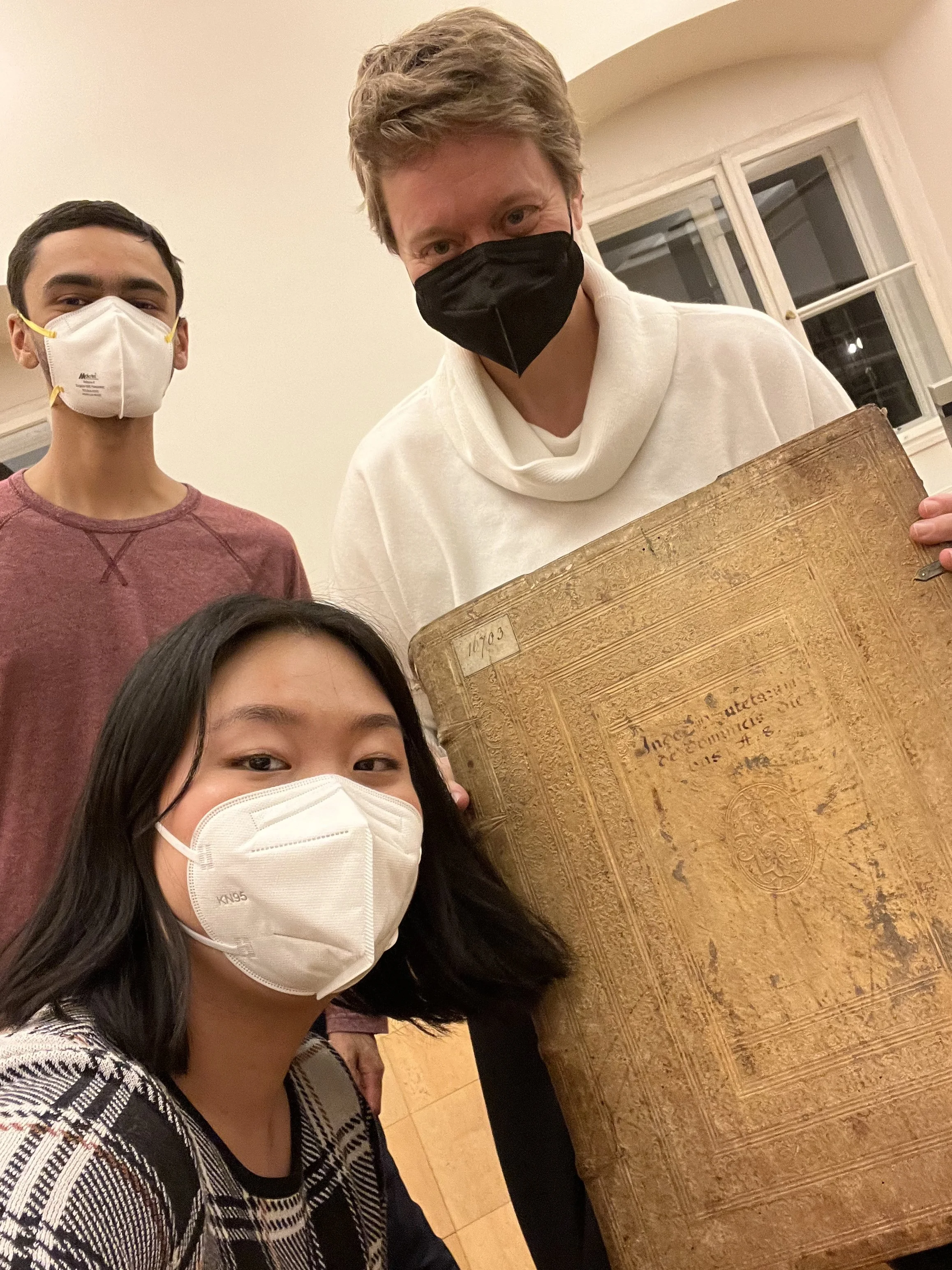
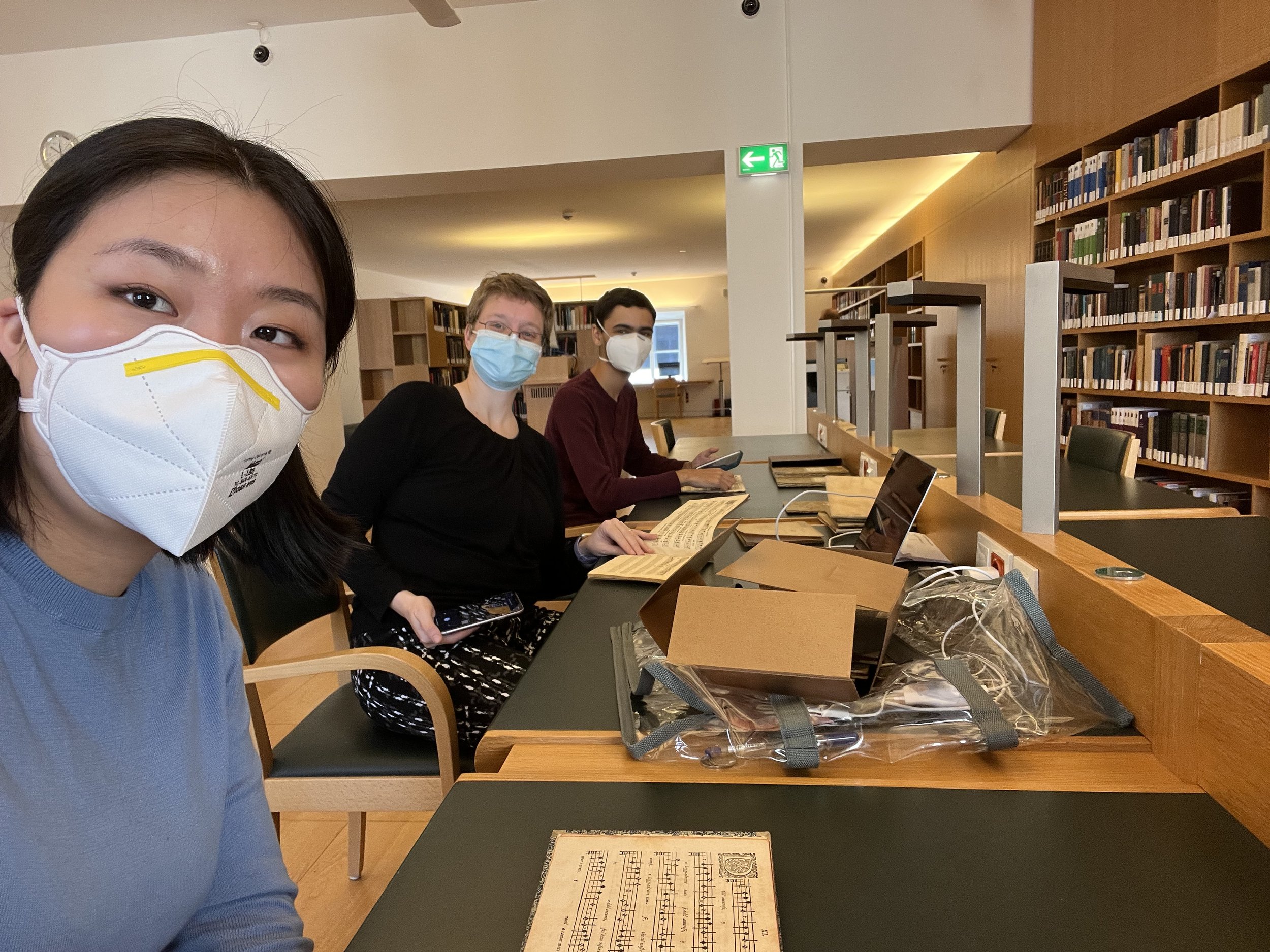
“Two SUMR Diversity Lab students (E. Yee and K. Steele) joined me in Vienna (Austria) in November 2022 for one week of research in prominent Austrian music and cultural archives. In addition to assisting with the scanning and cataloguing of c. 1500 manuscript folios for my research, they have developed their own research projects (e.g., a comparative study of 17th-century Chinese and French opera) that will serve as the basis for a mini-class (30 minutes) which they will teach to their first-year peers in the course Introduction to Music, Culture, and Context (WI 2023). They work as partners, provide feedback on the design of the course, and put their own research into practice, teaching their peers during the semester. This approach represents a novel and effective deployment of decolonial and inclusive frameworks that disrupt more traditional top-down hierarchical teaching modalities” - Dr. Linda Pearse
Meet the team
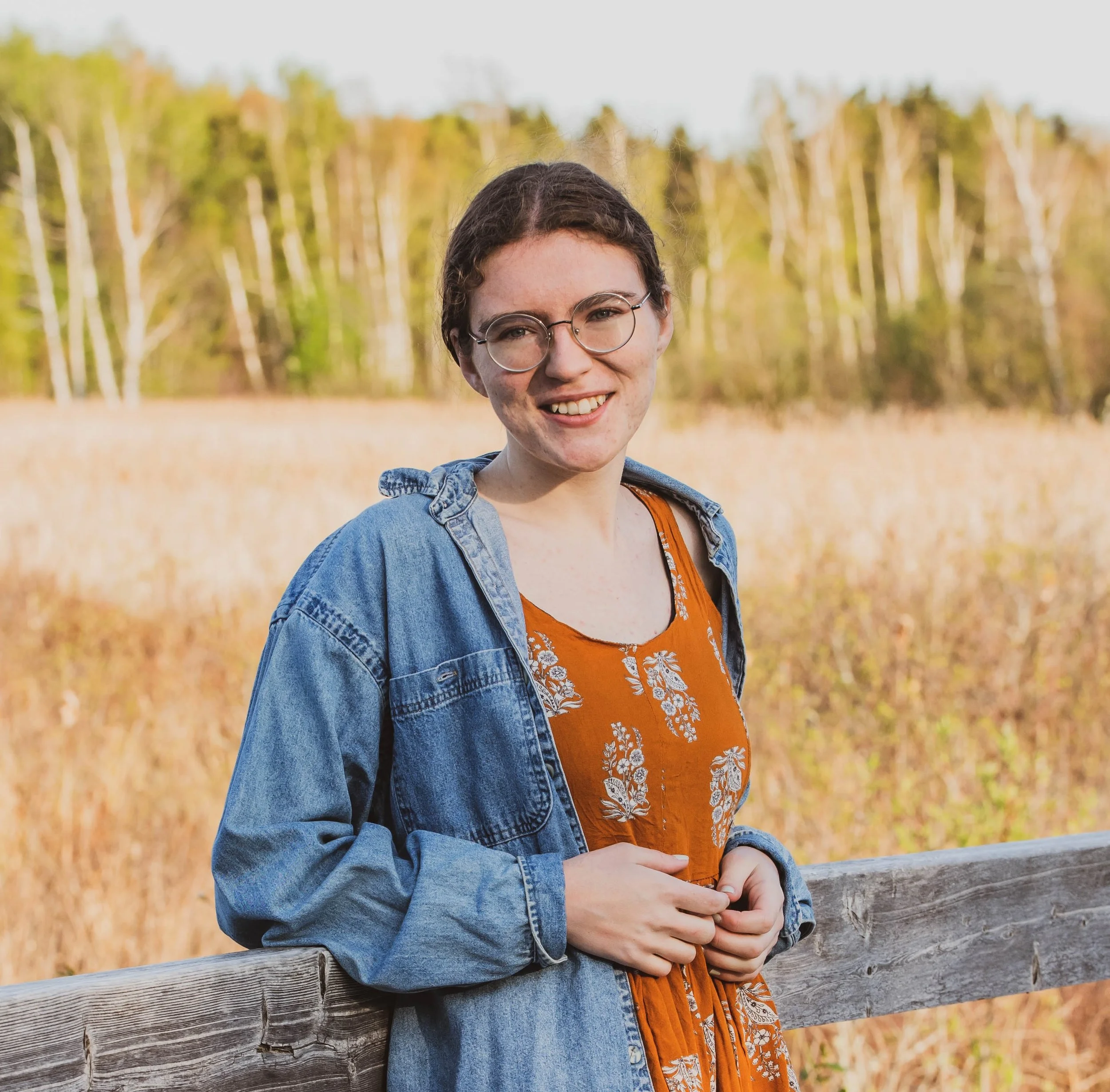
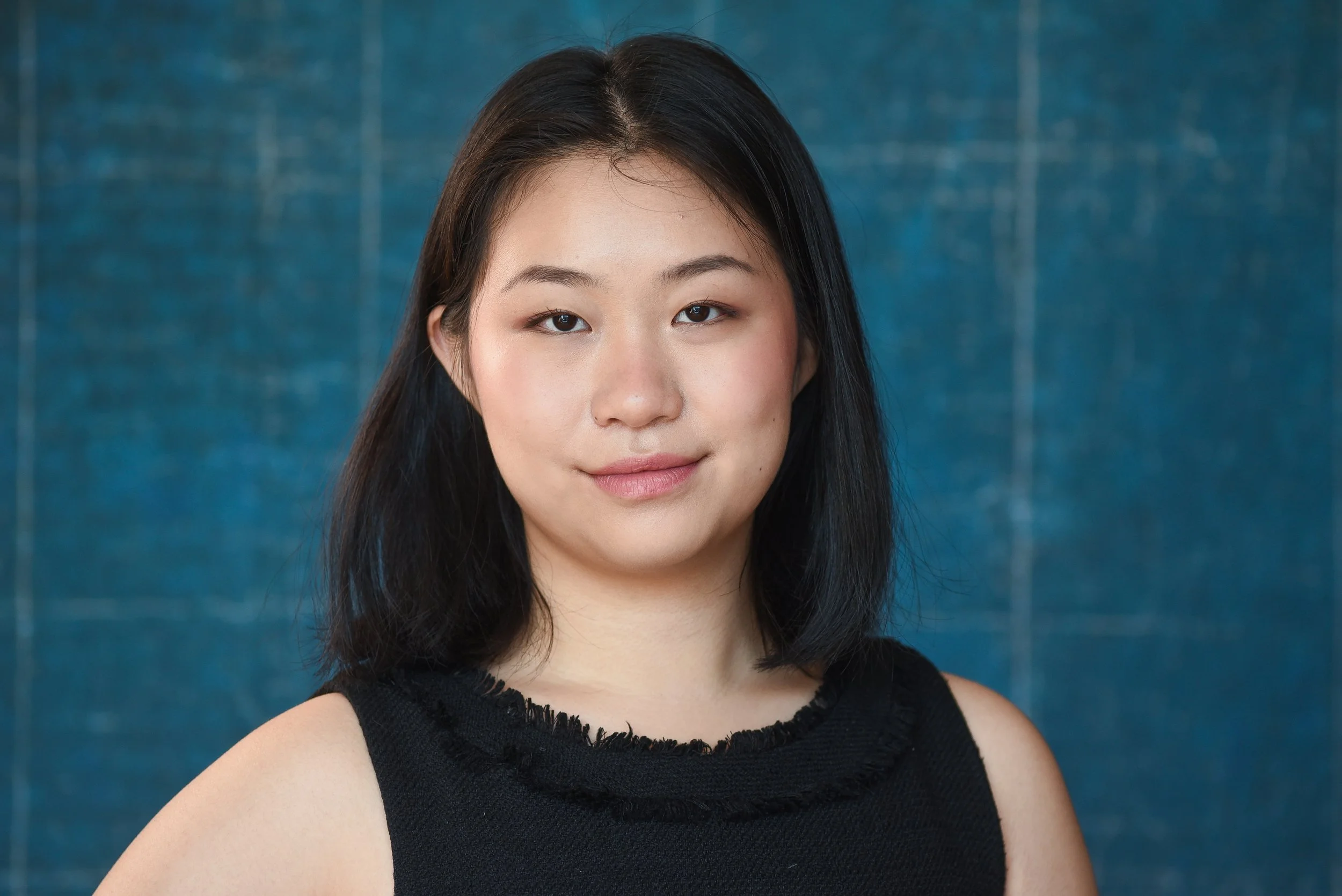
Annika Williams
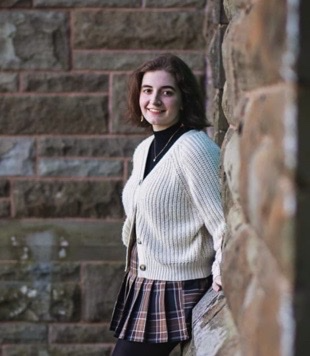
Lindsay Pike
Emma Yee
Lindsey is a third year bachelor of music student studying at Mount Allison University who is focusing on collaborative piano and music education. Presently, she works with children teaching piano lessons, but in the future, she hopes to work as a high school band director. She has experience working with singers considering both lieder and orchestral reductions, and an interest in operatic works specifically. In her own performances, she particularly enjoys playing works from the contemporary and romantic periods. She often volunteers to perform at coffee houses or on Sunday mornings at certain churches, playing both jazz and classical repertoire. Additionally, Lindsey has worked with Doctor Pearse over two summers in her lab, attended and spoke about musical exoticism at the MUSCan conference, and published an essay to L’Écouteur which discusses multiple-context frameworks for examining musical exoticism within Rameau’s Les Indes Galantes.
Sarah Workman
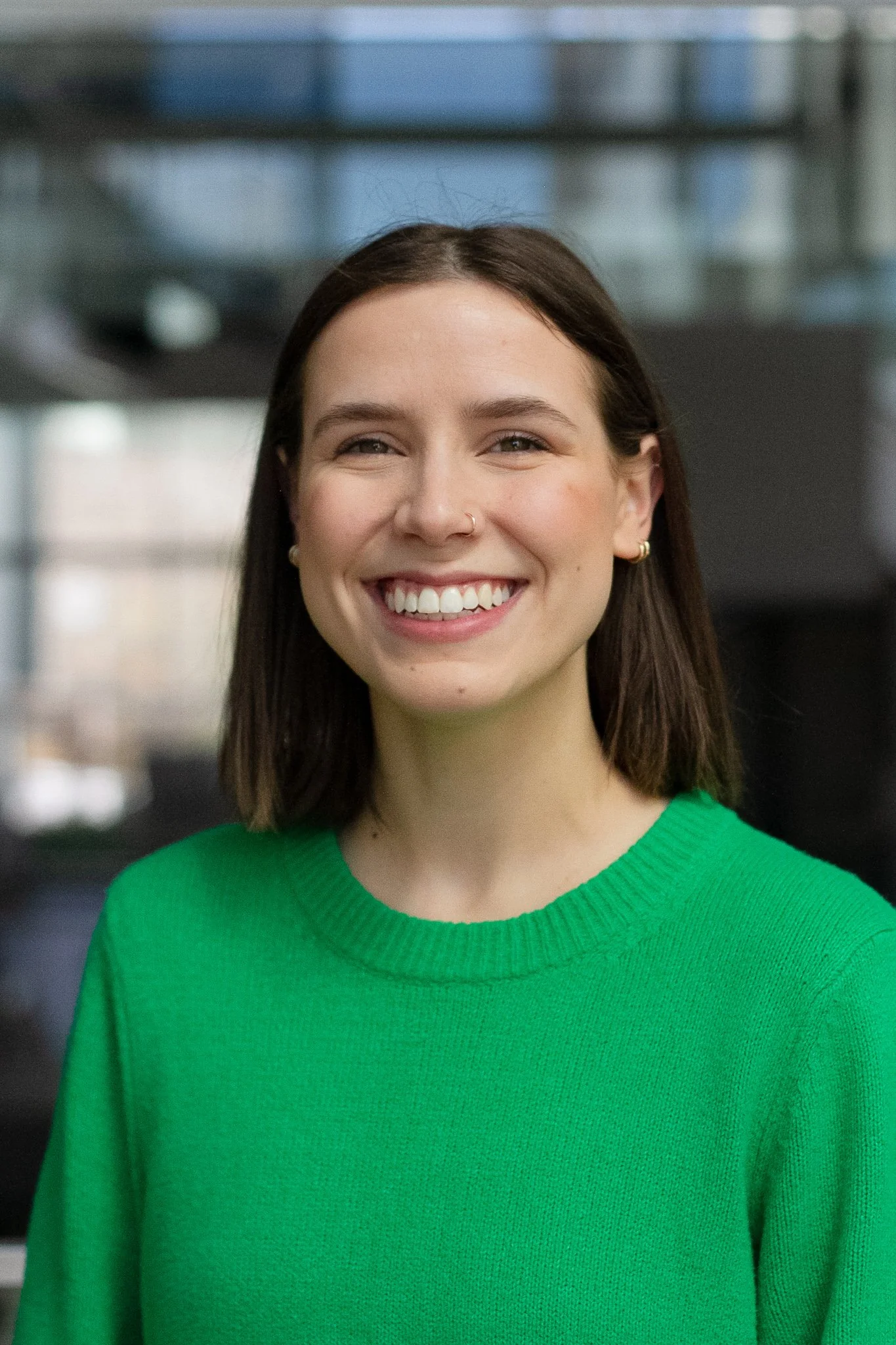
Sarah Workman (she/her) is a musician and educator based in Toronto, Ontario. She is currently completing her Master’s of Teaching at the University of Toronto. Sarah holds a Bachelor of Music with Distinction from Mount Allison University.
Sarah’s interests include choral music and early childhood education. In 2023, she co-led the Mount Allison Children’s Choir and conducted research exploring Universal-Design-For-Learning practices within choral settings, alongside Dr. Kiera Galway. Sarah currently sings with Chroma Vocal Ensemble in Toronto.
Sarah served as a research assistant for the SHHRC-funded project, “Challenging Colonial Narratives” in 2023. Her worked included tagging and editing summaries of scholarly articles for the database in collaboration with her peers.
Heralded by Opera Canada for her “strong, clear, and confident” sound, Canadian mezzo soprano Emma Yee (she/her) is an active performer-researcher across choral, operatic, and theatrical scenes. Yee is currently completing her Bachelor of Music in Voice at Mount Allison University (Mt. A) and just completed a J.E.A. Crake Independent Student Research Grant-funded research project titled Liberatory Praxis in Operatic Rehearsal Processes. She has also served as a research assistant for the SSHRC project Challenging Colonial Music Narratives for three years as a member of the SUMR Diversity Lab. She gave a presentation at the 2023 Dialogues International Music Research Conference at Laval University on her research in Filipino choral traditions, and has given lectures to multiple classes at Mt. A on topics such as feminist musicology, Sino-European musical exchange, and propaganda and music. Emma informs her research with performance experience, performing with the National Youth Choir in Canada and playing roles such as Serse in Serse (Halifax Summer Opera Festival) and Sibella in A Gentleman’s Guide to Love and Murder (Motyer-Fancy Theatre).
David Archibald
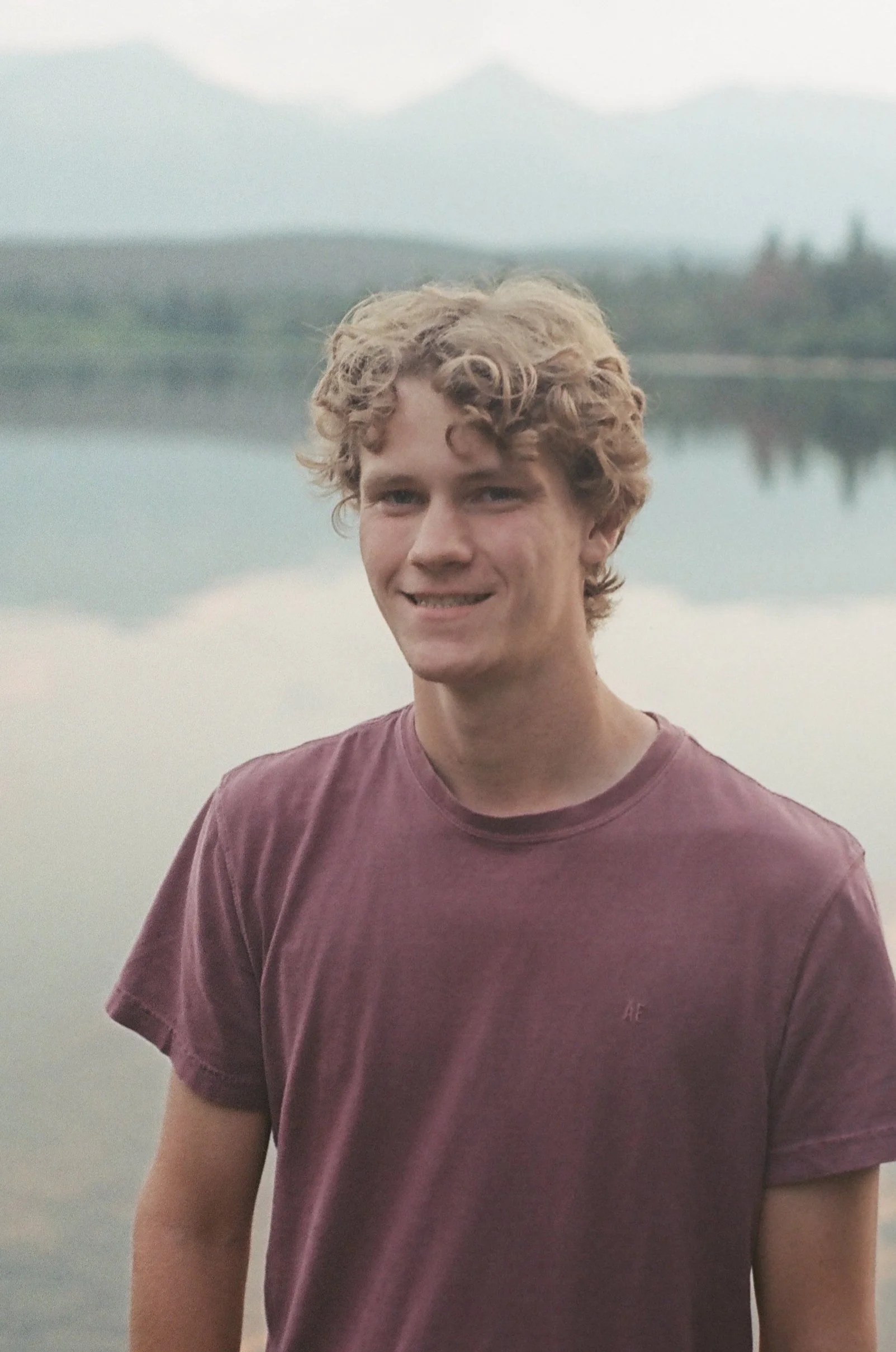
David Archibald is a pianist and composer currently based in Toronto, Ontario where he is studying at the University of Toronto in the Master of Music in composition program. David completed his Bachelor of Music at Mount Allison University with distinction in May 2023 where he performed in a final recital with his colleagues of his original works.
David’s interests include piano repertoire and performance, compositional techniques and harmony, jazz and improvisation, English literature and creative writing, as well as rock and roll and culture and politics.
As a member of the Diversity Lab, David worked on reading, tagging, and sorting articles and has been on the team since May 2023. As a teaching assistant for various music literature courses, David has conducted lectures on postmodernism, expressionism, and futurism, among other topics.
Annika Williams (she/her) seeks to explore the intersections of music, embodiment, identity and power in all facets of her music practice and study. Her most recent work includes "The Wicked Weeping Woman: A Reconsideration of Women's Agency in the Lament", written with the support of a J.E.A. Crake Independent Student Research Grant and published in Nota Bene: Canadian Undergraduate Journal of Musicology, and a paper entitled “Dreaming a Rubatic World: An Embodied Resistance to Chrononormativity in Music Education” presented spring 2023 at the Biennial Disability Studies and Music Education Symposium with co-author Skylar Cameron (University of Toronto). She also works as a research assistant on the SSHRC-funded Challenging Colonial Music Narratives project led by Margaret Walker (Queen’s University, PI), Linda Pearse (Mount Allison University, co-applicant), and Sandria P. Boulaine (Laval University, co-applicant). Ms. Williams holds a Bachelor of Music with Distinction from Mount Allison University in Mi'kma'ki and is currently pursuing graduate studies in musicology at McGill University in Tiohtià:ke under the supervision of Julie Cumming.
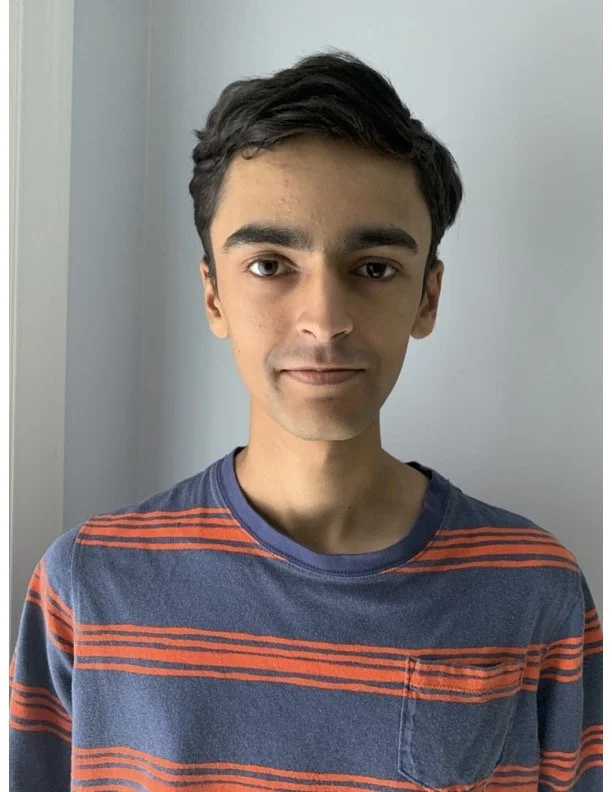
Kiran Steele
Kiran Steele (he/him/his) is a percussionist from Halifax, Nova Scotia. His musical interests include performance, theory, musicology, and composition. Steele began playing drums at age 11 and orchestral/concert band percussion at age 15. He is currently a fourth-year student at Mount Allison University, where he is pursuing a Bachelor of Music degree with a Minor in French Studies. At Mount Allison, Steele has worked for Dr. Alan Dodson as a music theory teaching assistant and for Dr. Gabriela Fischer as a language lab monitor for intermediate French courses. Moreover, he travelled to Vienna in 2022 with fellow lab member Emma Yee to assist Dr. Linda Pearse with research. He plans to pursue a Master’s in Percussion Performance after completing his undergraduate degree.
Steele joined the project “Challenging Embedded Colonial Narratives” in 2021 as one of the Mount Allison team’s founding members. His research topics included North Indian ragas during the Mughal period (Jun.-Jul. 2021) and the intersections between race and music in early modern Europe (May-Jun. 2022). In his spare time, he explored the history of jazz in apartheid-era South Africa. In the lab, Steele read, took notes on, evaluated, and summarized dozens of articles and book chapters. He also helped tag sources and create documents and presentations that introduced new lab members to the software and analytical procedures used by the team. Steele’s work for the lab culminated in the publication of the article “Bringing Them into the Picture: Considering Black Musicians in Early Modern History” in 2023 in Issue 6 of the Québécois journal L’Écouteur. In addition, he gave two lectures for Dr. Pearse’s first-year musicology course: one on North Indian ragas during the Mughal period (Jan. 2022), and another on jazz in apartheid-era South Africa (Mar. 2023).
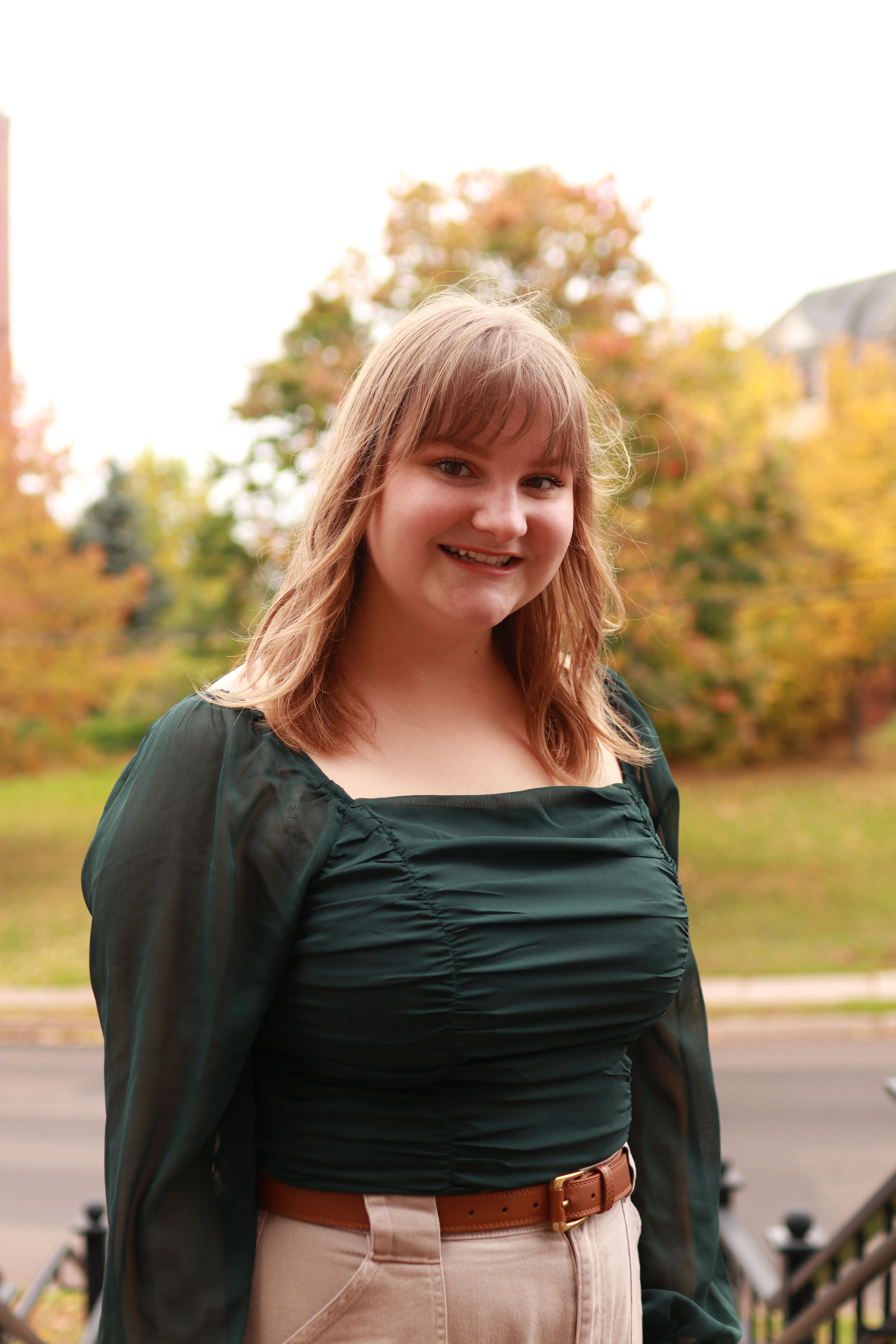
Susanne Sevcik
Originally from Strathmore, Alberta, Susanne Sevcik is a cognitive science and music student at Mount Allison University (’24) interested in interdisciplinary music research. She has been a research assistant in the SUMR Diversity Lab since June 2021 and through her work in this lab has been published in the journal L’Écouteur for her work on women and early music dissemination. Her previous research has explored women’s agency, mental health in music, psychoanalytical approaches to opera, and ethical implications of music used for violence, as non-touch torture, and to re-enforce or alleviate boundaries. She has been the recipient of the Mount Allison University Music History Essay Prize in 2022 and 2023. Accolades also include recognition for her work in philosophy (Treash Memorial Prize), excellence in piano performance (Vivienne Fowler Music Scholarship), and academic success (Osler Dean’s List Award) for the 2022–2023 academic year. Susanne is also a classically trained pianist and believes in music as a form of connection and community. She enjoys collaborating in choral, chamber, and opera environments and recreationally sings. When she’s not making music or doing research, Susanne enjoys reading, watercolour painting, yoga, and downhill skiing. Susanne hopes to continue her research with graduate studies in music cognition where she can combine her interests in musicology, psychology, neuroscience, and philosophy.
Susanne’s activities in the lab included locating articles that inform a decolonial framework and promote diversity outside of the traditional Western Art Music canon for a more nuanced perspective of early music, summarizing and tagging articles to be included in the Early Inclusive Music Zotero Bibliography, and checking bibliography information.
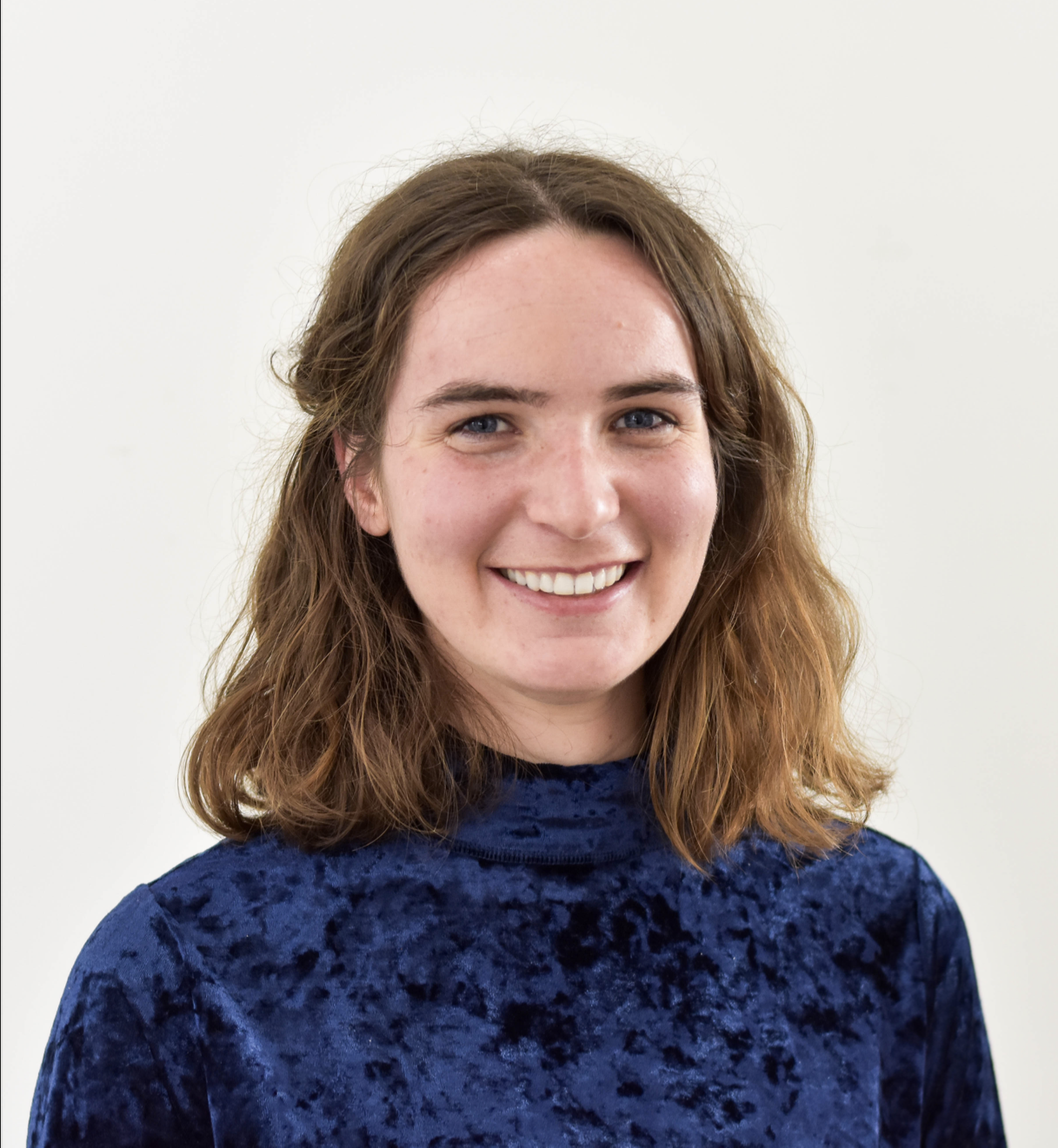
Emma Cameron
Hailing from Meadowville, Nova Scotia, Emma Cameron is currently pursuing a master’s degree in musicology at Oxford University (Wolfson College), supervised by Elizabeth Eva Leach and Owen Rees.
Emma began her studies in piano with Wayne Rogers. In 2022, she completed a Bachelor of Music degree at Mount Allison University, where she studied with Stephen Runge. At Mount Allison, she performed both as a soloist, and as a collaborative pianist in masterclasses with Adrienne Pieczonka, Rachel Andrist, Kirill Gerstein and Graham Johnson. In her final year, Emma was awarded the Graduating Piano Student Award, and upon graduation she received the Mount Allison Music Scholar Award.
In 2022, Emma’s essay ‘Interruption and Contra-Structural Melodic Impulses in Haydn’s Rondo Themes’ was awarded first place in the undergraduate category of the Canadian Federation of Music Teachers’ Association Essay Competition. In 2021, her essay ‘Lacking an “Original Voice”: Neoclassicism in Henri Dutilleux’s Au Gré des Ondes’ won second place in the same competition. Emma also received a summer research grant from the J.E.A. Crake Foundation for her interdisciplinary project ‘“Music Oft Hath Such Charm”: Exploring the Role of Music in Three Shakespearean Comedies’.
Publications
Six student publications (1000-word essays) published in a themed edition of L’Écouteur (October 2023)
Cameron, Emma. “To be Born Great, Achieve Greatness, or have “Greatness Thrust Upon Them”: Considering Handel and the Trope of the Great Composer.” L’Écouteur no. 6 (2023). http://www.lecouteur.ca/handel-and-the-trope.html.
Lowe, Clare. “Broadening the Geographic Scope of Undergraduate Music History Programs: Sacred Vocal Polyphony in West Georgia.” L’Écouteur no. 6 (2023). http://www.lecouteur.ca/sacred-vocal-polyphony-in-west-georgia.html.
Pike, Lindsey. “Multiple-Context Frameworks for Analyzing Exoticism Within Music.” L’Écouteur no. 6 (2023). http://www.lecouteur.ca/exoticism-within-music.html.
Sevcik, Susanne. “The Fair Sex as an Entertaining Companion: Music Dissemination and Women in Seventeenth- and Eighteenth-century England.” L’Écouteur no. 6 (2023). http://www.lecouteur.ca/music-dissemination-and-women.html.
Steele, Kiran. “Bringing Them into the Picture: Considering Black Musicians in Early Modern European Music History.” L’Écouteur no. 6 (2023). http://www.lecouteur.ca/black-musicians-in-early-modern-european-music-history.html.
Yee, Emma. “350 Years of Colonial Influence: Multiplicity in Post-Colonial Filipino Choral Music.” L’Écouteur no. 6 (2023). http://www.lecouteur.ca/350-years-of-colonial-influence.html.
Annika Williams (‘23) in Nota Bene: Canadian Undergraduate Journal of Musicology
Williams, Annika. “The Wicked Weeping Woman: A Reconsideration of Women’s Agency in the Lament.” Nota Bene: Canadian Undergraduate Journal of Musicology 16, no. 1 (2023): 50-73.https://doi.org/10.5206/notabene.v16i1.16613.
Other Presentations
Three RA presentations for History of European Art Music to 1750 (WI 2022); six RA presentations prepared for Introduction to Music, Culture, and Context course (WI 2023); two multi-directional course co-designs (2021–23; MUSC 1211 and MUSC 1221); two public presentations; participation in team meetings; annotation and summarizing of equity, diversity, inclusion, and decolonization secondary scholarship for inclusion in online bibliography project.
Presentations at the MusCan Conference, Congrès Dialogues du 100e de la FaMUL (Congress Dialogues), Université Laval, May 17–21, 2023. Themed panel with four scholarly papers: Pearse, Walker; Arsenault (Grad RA), Mattson (Grad RA). Lightning Talks: UG student mini-papers (6) followed by RA-led workshop on research sorting methods (multi-directional mentorship: students teaching faculty).